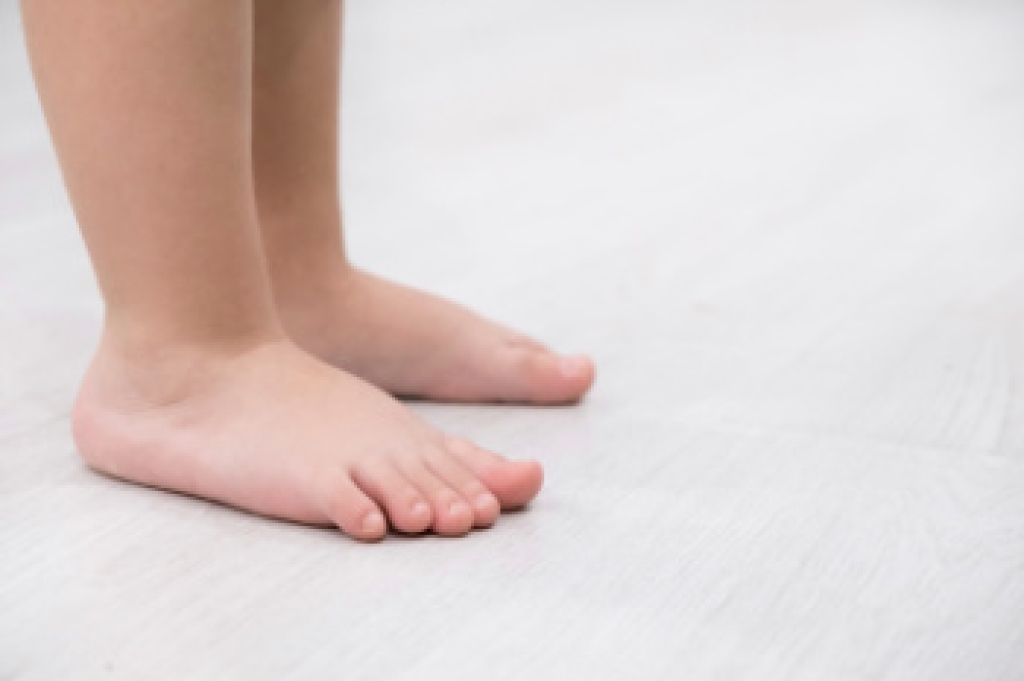
Heel Pain From Plantar Fasciitis

Pain from plantar fasciitis is a condition that commonly affects the bottom of the heel. It occurs when the plantar fascia, the thick band of tissue that supports the arch, becomes strained and develops small tears over time. This stress is often linked to repeated pressure from standing, walking, or running. Pain from plantar fasciitis is usually sharp and felt with the first steps in the morning or after periods of rest. It may improve with movement but return later in the day. Risk factors include flat feet, high arches, excess weight, and jobs that require spending long hours on the feet. A podiatrist can evaluate your foot structure, observe how you walk, and use imaging to confirm the cause of pain. Treatment options include custom orthotics, supportive devices, and targeted exercises to reduce strain and improve function. If you have heel pain, it is suggested that you schedule an appointment with a podiatrist for a diagnosis and appropriate treatment.

Plantar fasciitis is a common foot condition that is often caused by a strain injury. If you are experiencing heel pain or symptoms of plantar fasciitis, contact Lesly Honore, MD, DPM from New York. Our doctor can provide the care you need to keep you pain-free and on your feet.

What Is Plantar Fasciitis?

Plantar fasciitis is one of the most common causes of heel pain. The plantar fascia is a ligament that connects your heel to the front of your foot. When this ligament becomes inflamed, plantar fasciitis is the result. If you have plantar fasciitis you will have a stabbing pain that usually occurs with your first steps in the morning. As the day progresses and you walk around more, this pain will start to disappear, but it will return after long periods of standing or sitting.

What Causes Plantar Fasciitis?

  • Excessive running
  • Having high arches in your feet
  • Other foot issues such as flat feet
  • Pregnancy (due to the sudden weight gain)
  • Being on your feet very often

There are some risk factors that may make you more likely to develop plantar fasciitis compared to others. The condition most commonly affects adults between the ages of 40 and 60. It also tends to affect people who are obese because the extra pounds result in extra stress being placed on the plantar fascia.

Prevention

  • Take good care of your feet – Wear shoes that have good arch support and heel cushioning.
  • Maintain a healthy weight
  • If you are a runner, alternate running with other sports that won’t cause heel pain

There are a variety of treatment options available for plantar fasciitis along with the pain that accompanies it. Additionally, physical therapy is a very important component in the treatment process. It is important that you meet with your podiatrist to determine which treatment option is best for you.

If you have any questions, please feel free to contact our office located in Hempstead, NY . We offer the newest diagnostic and treatment technologies for all your foot care needs.

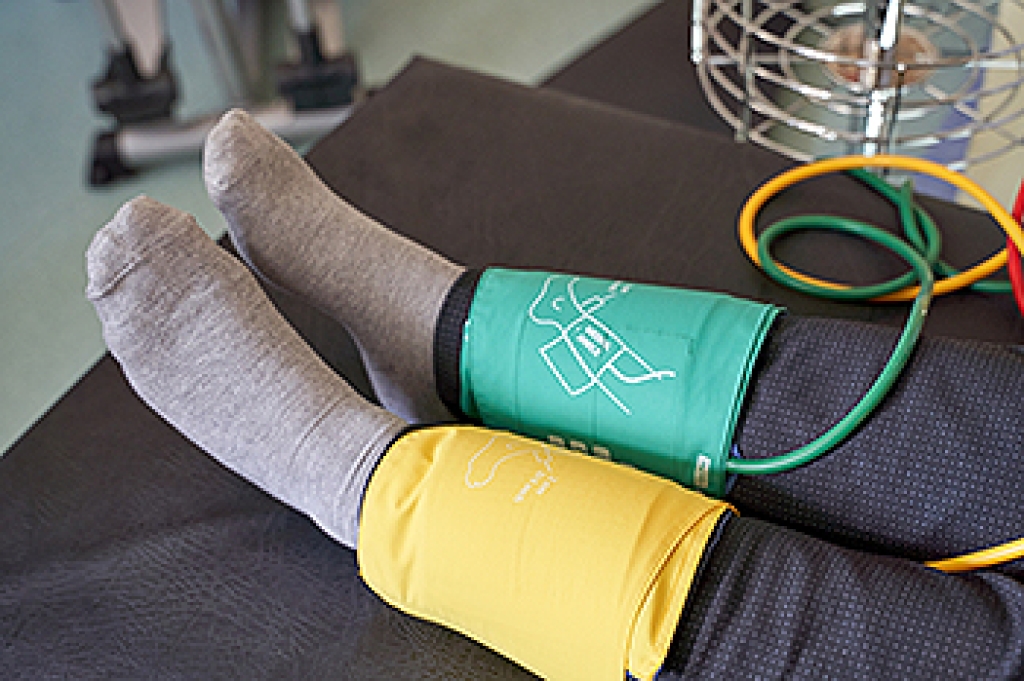
 

Read more about Plantar Fasciitis

Dealing With Painful Gout Attacks

Gout is a form of inflammatory arthritis that often appears without warning, frequently affecting the big toe. The joint may become intensely painful, red, warm, and swollen, sometimes overnight. The skin can look tight or shiny, and even light pressure from a sheet may feel uncomfortable. This condition develops when uric acid builds up in the bloodstream and forms sharp crystals within the joint. Triggers may include certain foods, dehydration, alcohol use, or underlying medical conditions that affect how the body processes uric acid. A podiatrist can identify gout through a physical exam, medical history, and diagnostic testing. Treatment focuses on reducing inflammation and preventing future attacks through medication, lifestyle adjustments, and supportive care. Addressing symptoms early can help protect the joint from long-term damage. If you suspect you have gout, it is suggested that you make an appointment with a podiatrist.

Gout is a painful condition that can be treated. If you are seeking treatment, contact Lesly Honore, MD, DPM from New York. Our doctor will treat your foot and ankle needs.

What Is Gout?

Gout is a form of arthritis that is characterized by sudden, severe attacks of pain, redness, and tenderness in the joints. The condition usually affects the joint at the base of the big toe. A gout attack can occur at any random time, such as the middle of the night while you are asleep.

Symptoms

  • Intense Joint Pain - Usually around the large joint of your big toe, and it most severe within the first four to twelve hours
  • Lingering Discomfort - Joint discomfort may last from a few days to a few weeks
  • Inflammation and Redness -Affected joints may become swollen, tender, warm and red
  • Limited Range of Motion - May experience a decrease in joint mobility

Risk Factors

  • Genetics - If family members have gout, you’re more likely to have it
  • Medications - Diuretic medications can raise uric acid levels
  • Gender/Age - Gout is more common in men until the age of 60. It is believed that estrogen protects women until that point
  • Diet - Eating red meat and shellfish increases your risk
  • Alcohol - Having more than two alcoholic drinks per day increases your risk
  • Obesity - Obese people are at a higher risk for gout

Prior to visiting your podiatrist to receive treatment for gout, there are a few things you should do beforehand. If you have gout you should write down your symptoms--including when they started and how often you experience them, important medical information you may have, and any questions you may have. Writing down these three things will help your podiatrist in assessing your specific situation so that he or she may provide the best route of treatment for you.

If you have any questions, please feel free to contact our office located in Hempstead, NY . We offer the newest diagnostic and treatment technologies for all your foot care needs.
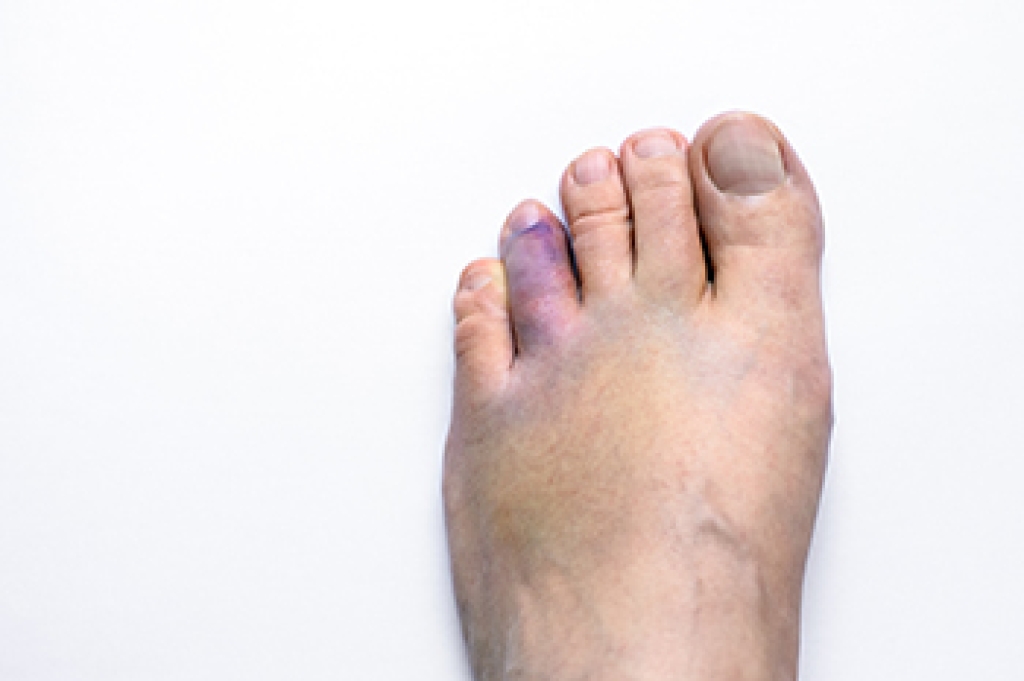
Read more about Gout

Sesamoiditis and Pain Beneath the Big Toe

Sesamoiditis is an inflammatory condition that affects the small sesamoid bones located beneath the big toe joint. These bones help absorb weight and assist with movement, but repeated stress can irritate the surrounding tissues. This condition often causes pain under the ball of the foot, especially when walking or pushing off the toes. Causes include overuse, high-impact activities, or wearing shoes that place pressure on the forefoot. Symptoms include swelling, tenderness, and difficulty bending the big toe. Risk factors include certain foot structures and activities that involve jumping or running. A podiatrist can diagnose the condition and recommend treatment to reduce pain and improve function. If you have pain in this part of your foot, it is suggested that you consult a podiatrist who can accurately diagnose and treat it.

Sesamoiditis is an unpleasant foot condition characterized by pain in the balls of the feet. If you think you’re struggling with sesamoiditis, contact Lesly Honore, MD, DPM of New York. Our doctor will treat your condition thoroughly and effectively.

Sesamoiditis

Sesamoiditis is a condition of the foot that affects the ball of the foot. It is more common in younger people than it is in older people. It can also occur with people who have begun a new exercise program, since their bodies are adjusting to the new physical regimen. Pain may also be caused by the inflammation of tendons surrounding the bones. It is important to seek treatment in its early stages because if you ignore the pain, this condition can lead to more serious problems such as severe irritation and bone fractures.

Causes of Sesamoiditis

  • Sudden increase in activity
  • Increase in physically strenuous movement without a proper warm up or build up
  • Foot structure: those who have smaller, bonier feet or those with a high arch may be more susceptible

Treatment for sesamoiditis is non-invasive and simple. Doctors may recommend a strict rest period where the patient forgoes most physical activity. This will help give the patient time to heal their feet through limited activity. For serious cases, it is best to speak with your doctor to determine a treatment option that will help your specific needs.

If you have any questions, please feel free to contact our office located in Hempstead, NY . We offer the newest diagnostic and treatment technologies for all your foot care needs.
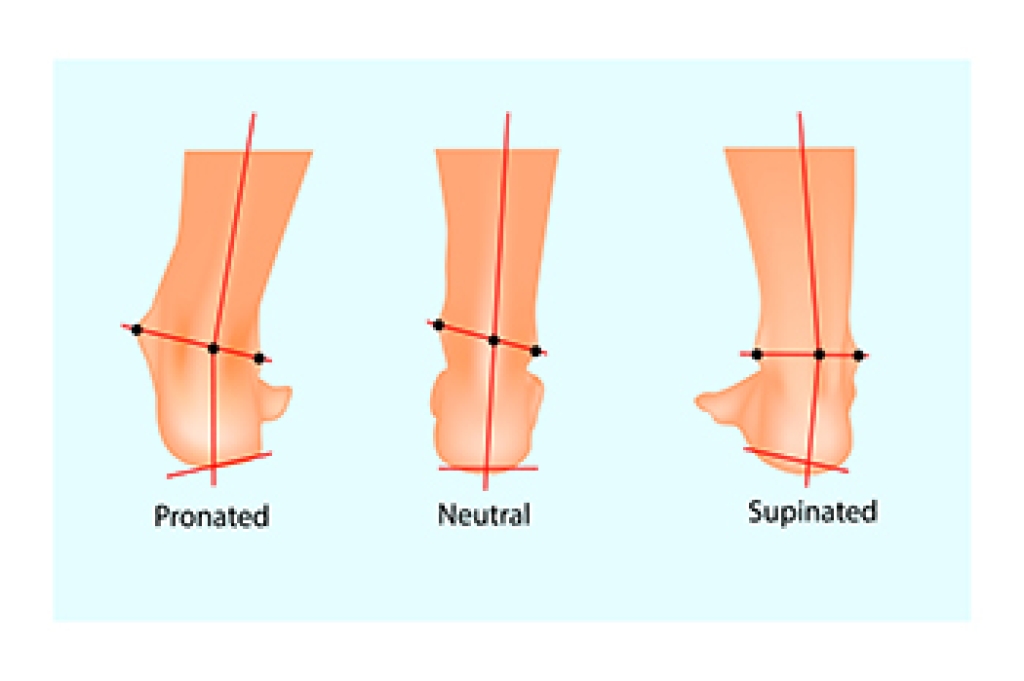
Read more about Sesamoiditis

Why Live with Pain and Numbness in Your Feet?

Suffering from this type of pain? You may have the foot condition known as Morton's neuroma. Morton's neuroma may develop as a result of ill-fitting footwear and existing foot deformities. We can help.

Foot Pain and Hiking Comfort

Foot pain can significantly affect hikers by limiting endurance and enjoyment on the trail. Plantar fasciitis is inflammation of the tissue along the bottom of the foot that causes heel pain. Toenail problems, such as thickening or ingrown nails, can create pressure and discomfort. Blisters are fluid-filled lesions caused by friction and moisture that can become painful if not treated. Prevention includes wearing properly fitting shoes and moisture-wicking socks, as well as stretching the feet before starting activity to improve flexibility. Keeping feet clean and dry also reduces risk. A podiatrist can diagnose foot conditions, provide treatment, and recommend supportive footwear. If you have developed foot pain from hiking, it is suggested that you consult a podiatrist who can offer effective treatment and prevention tips.

Foot Pain

Foot pain can be extremely painful and debilitating. If you have a foot pain, consult with Lesly Honore, MD, DPM from New York. Our doctor will assess your condition and provide you with quality foot and ankle treatment.

Causes

Foot pain is a very broad condition that could be caused by one or more ailments. The most common include:

  • Bunions
  • Hammertoes
  • Plantar Fasciitis
  • Bone Spurs
  • Corns
  • Tarsal Tunnel Syndrome
  • Ingrown Toenails
  • Arthritis (such as Gout, Rheumatoid, and Osteoarthritis)
  • Flat Feet
  • Injury (from stress fractures, broken toe, foot, ankle, Achilles tendon ruptures, and sprains)
  • And more

Diagnosis

To figure out the cause of foot pain, podiatrists utilize several different methods. This can range from simple visual inspections and sensation tests to X-rays and MRI scans. Prior medical history, family medical history, and any recent physical traumatic events will all be taken into consideration for a proper diagnosis.

Treatment

Treatment depends upon the cause of the foot pain. Whether it is resting, staying off the foot, or having surgery; podiatrists have a number of treatment options available for foot pain.

If you have any questions, please feel free to contact our office located in Hempstead, NY . We offer the newest diagnostic and treatment technologies for all your foot care needs.

Read more about Foot Pain
scroll to top